01
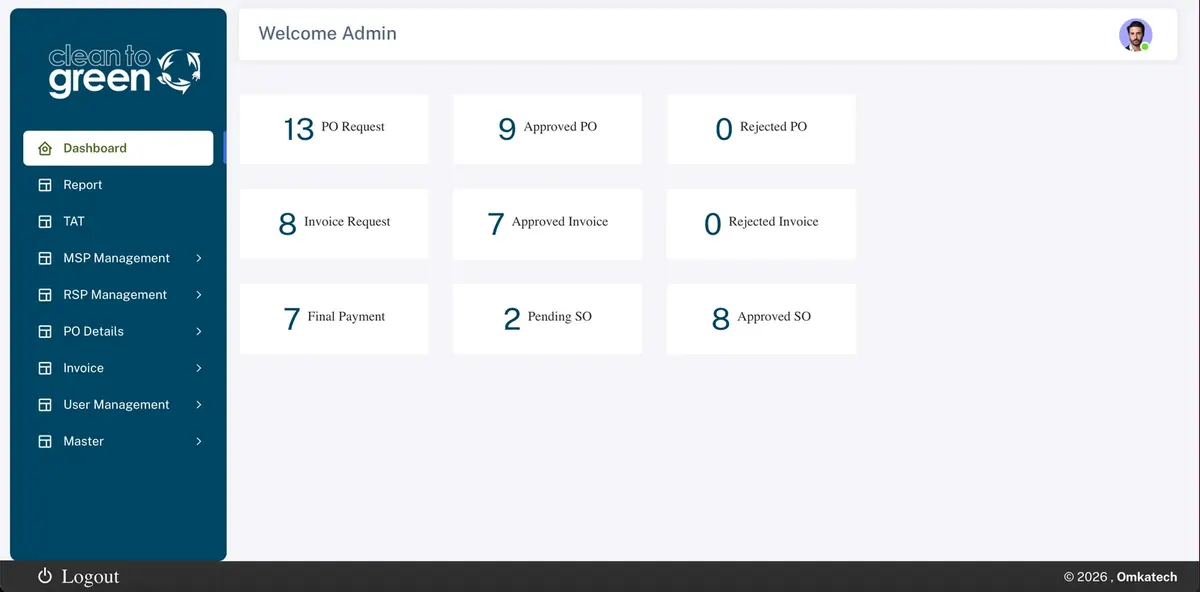
Role-based portals
Different dashboards, permissions and approval steps per role, on one data model.
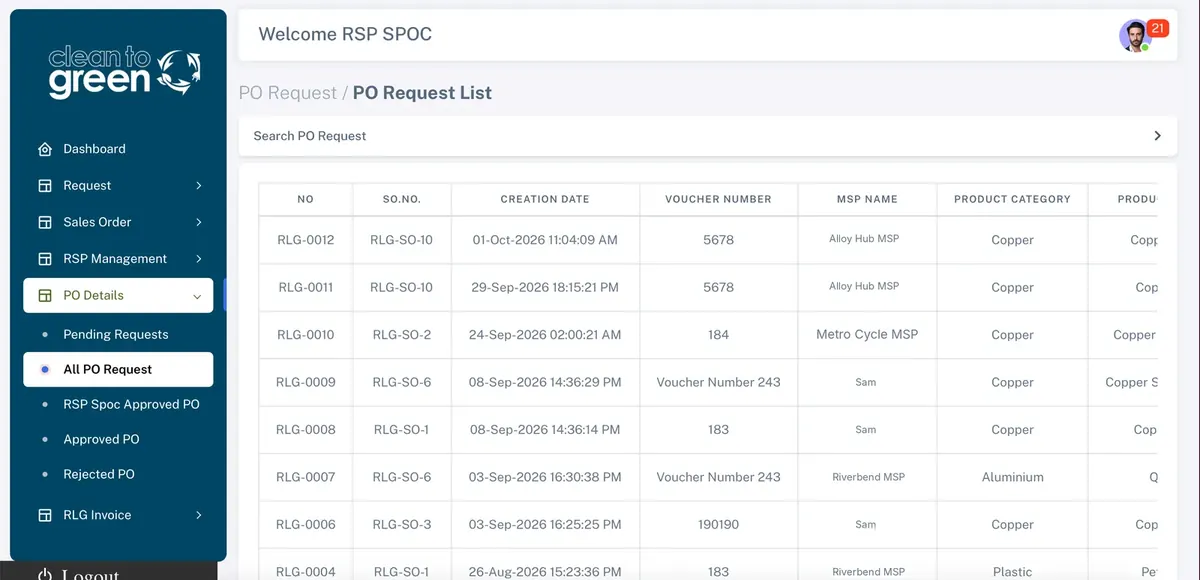
Running at C2G by RLG, 13 stakeholder roles
Portals, marketplaces and operations software where many roles touch the same data. We design the data model first, so the fifth year is as easy to change as the first.
If two or more of these sound like you, off-the-shelf software is probably costing you more than it saves.
Six shapes of web work we deliver often. Every one of them is running in production for a client today.
Different dashboards, permissions and approval steps per role, on one data model.
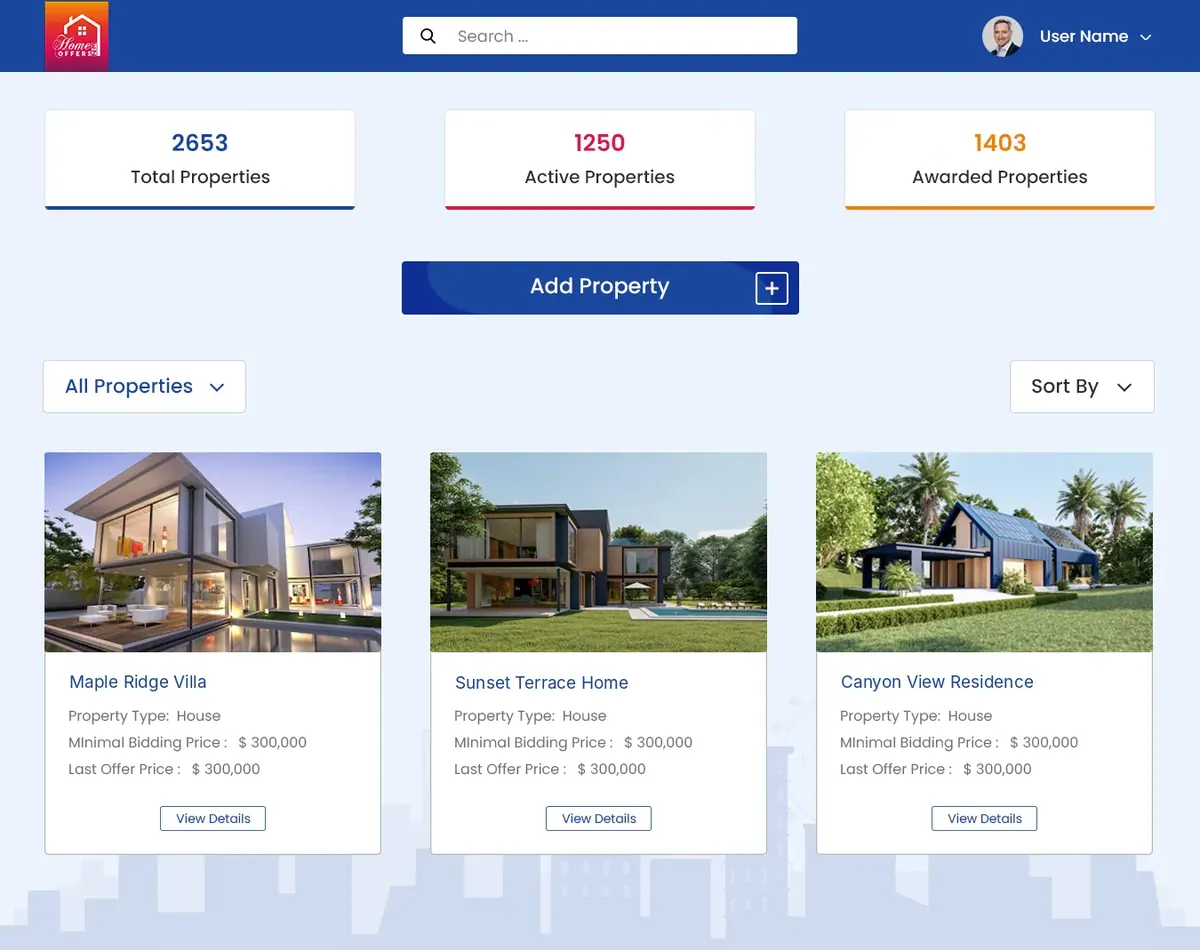
Running at C2G by RLG, 13 stakeholder rolesTwo-sided platforms with listings, offers, verification and award flows.
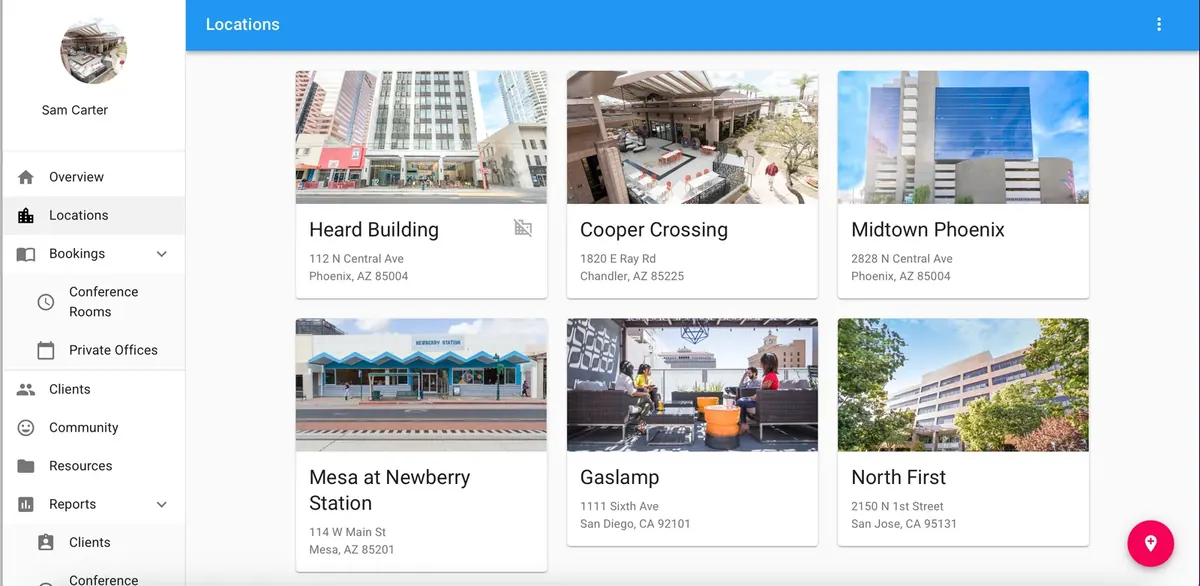
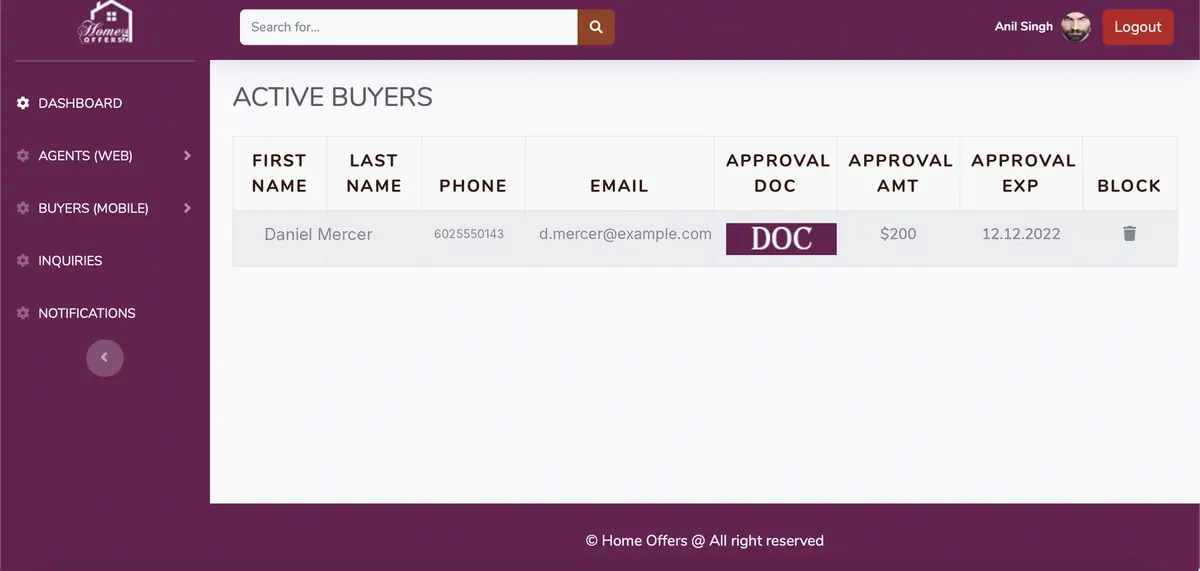
Running at Home OfferzThe admin software staff use all day: bookings, members, locations, reporting.
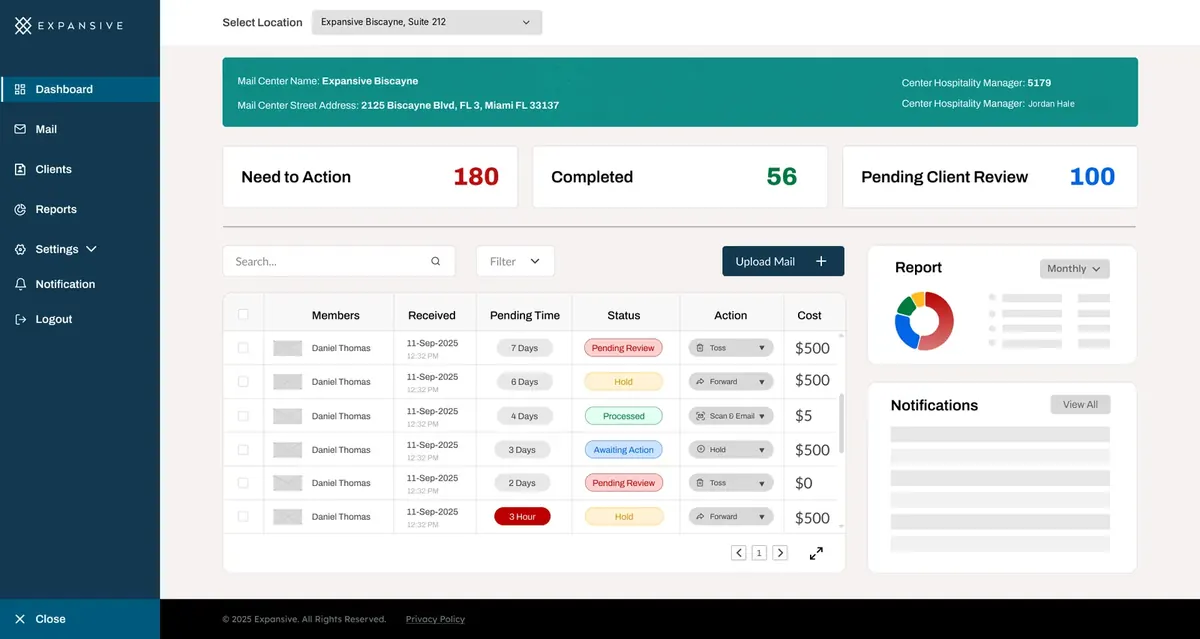
Running at Expansive staff portalLive device or event data, alerts and history in one screen, pushed over WebSocket.
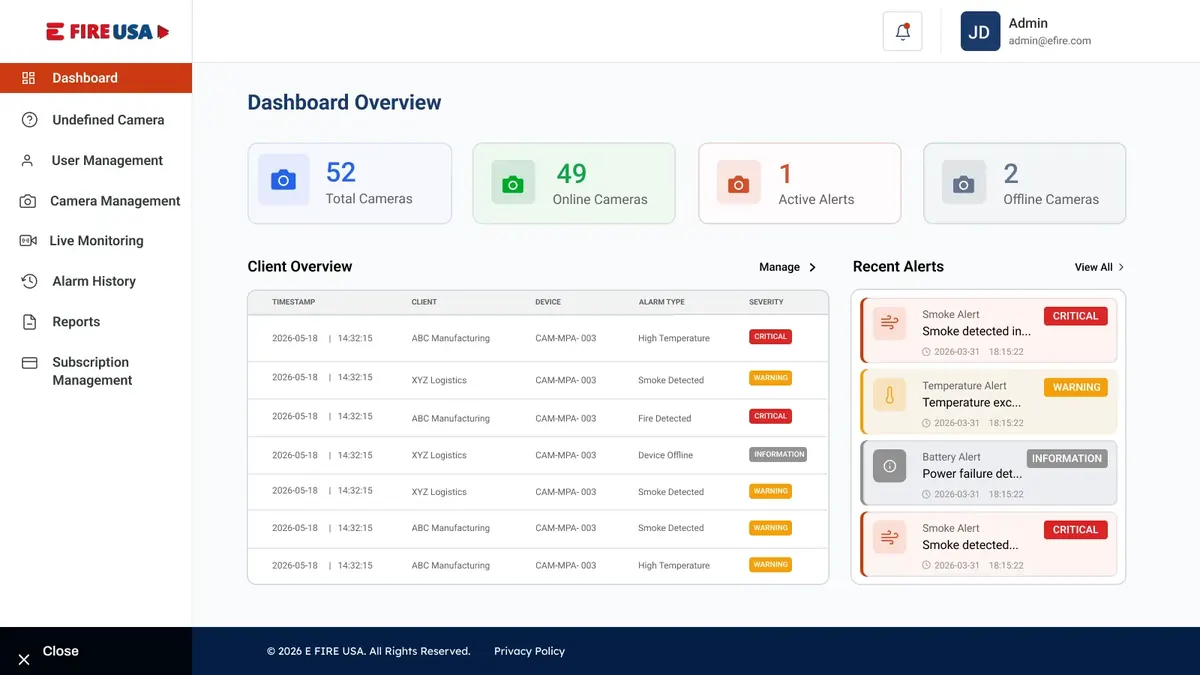
Running at E-Fire USA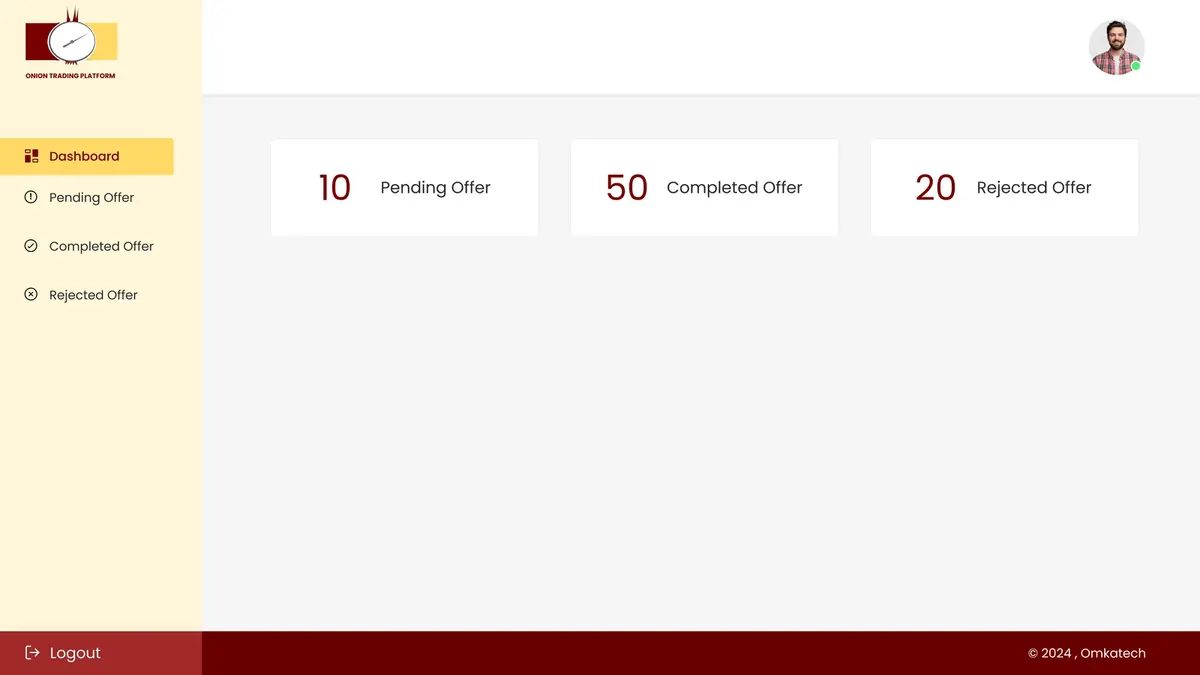
Orders, pricing, documents and settlements between businesses across borders.
Running at Onion Trading Platform, Netherlands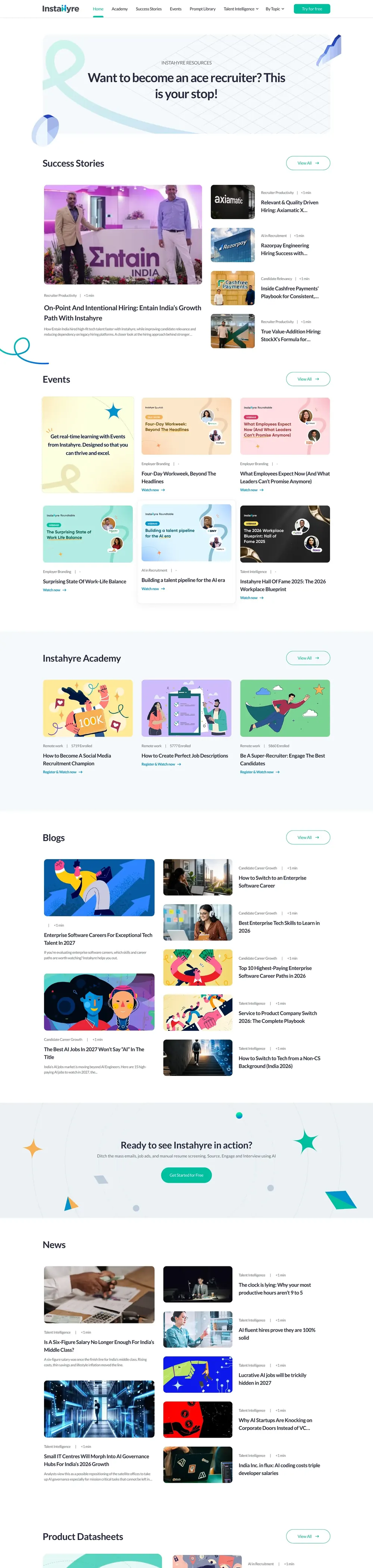
CMS-driven sites with courses, help centres and an admin your team can run.
Running at Instahyre resources and LMS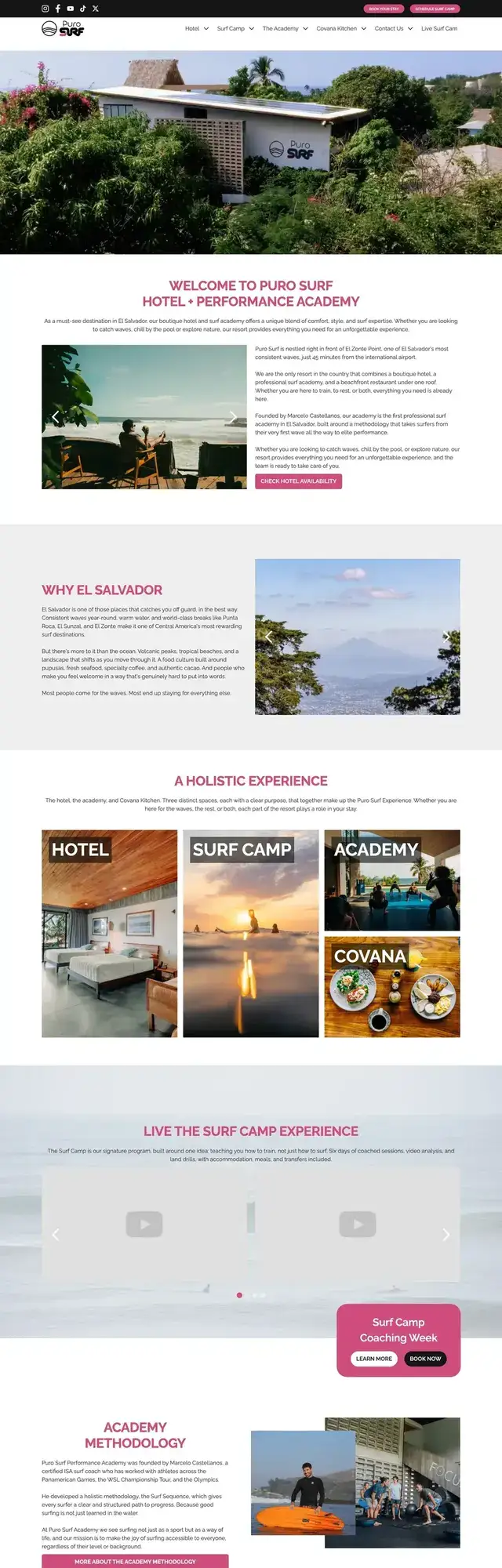
Brand sites that take bookings: live room availability, packages and reservations.
Running at Puro Surf · Rose Nordic · Sedona Investing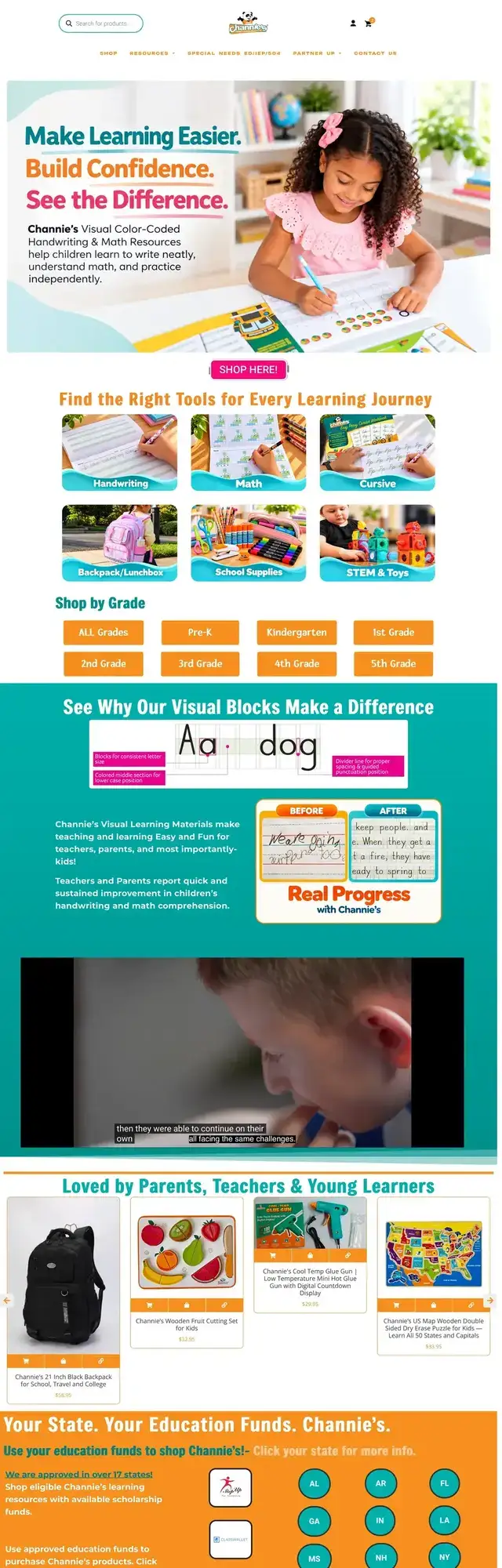
WooCommerce and Shopify stores with the order types your business actually has.
Running at Channie's · Beaustre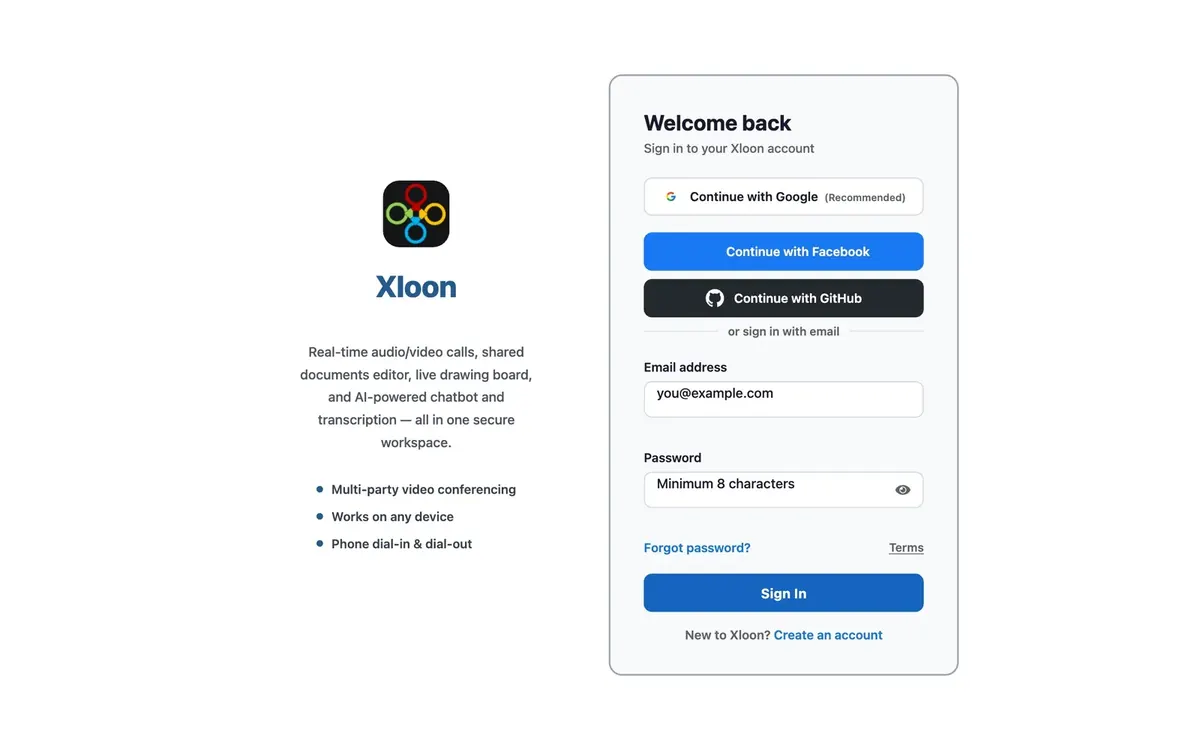
Video, chat, shared documents and scheduling in one product.
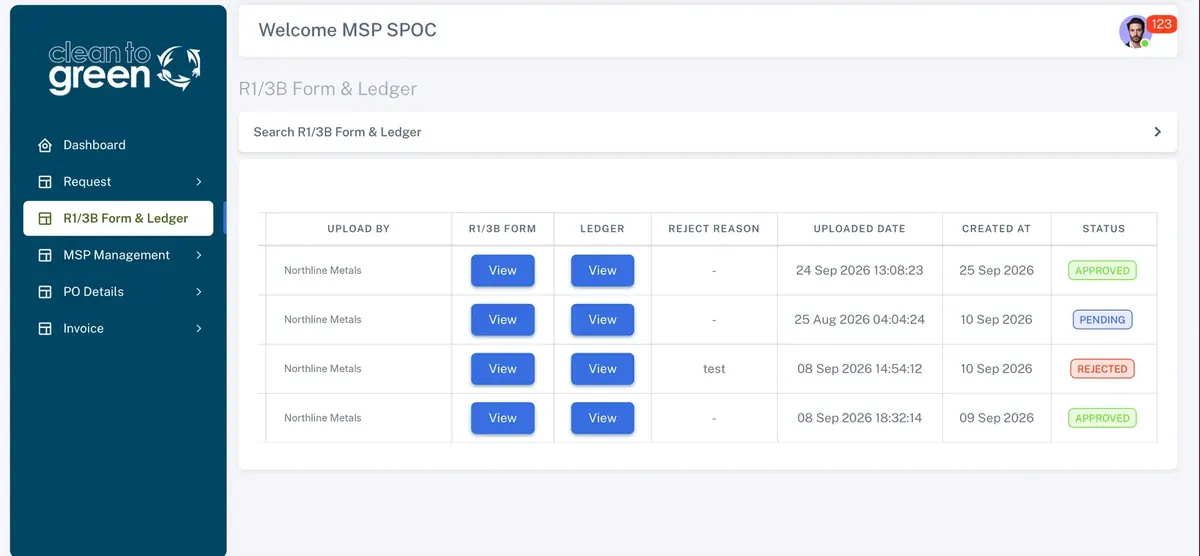
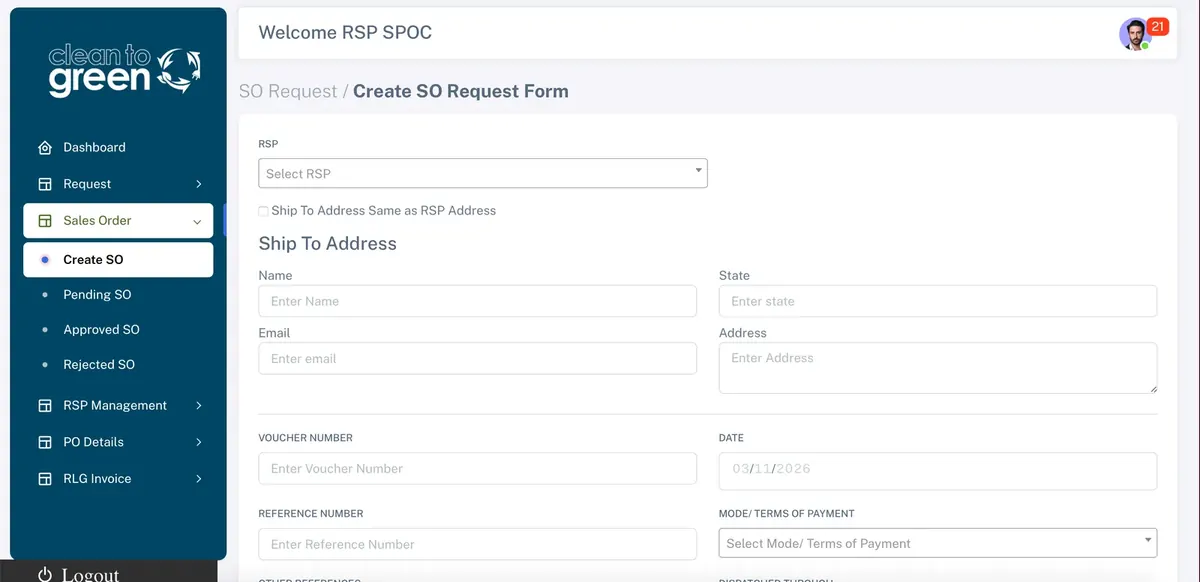
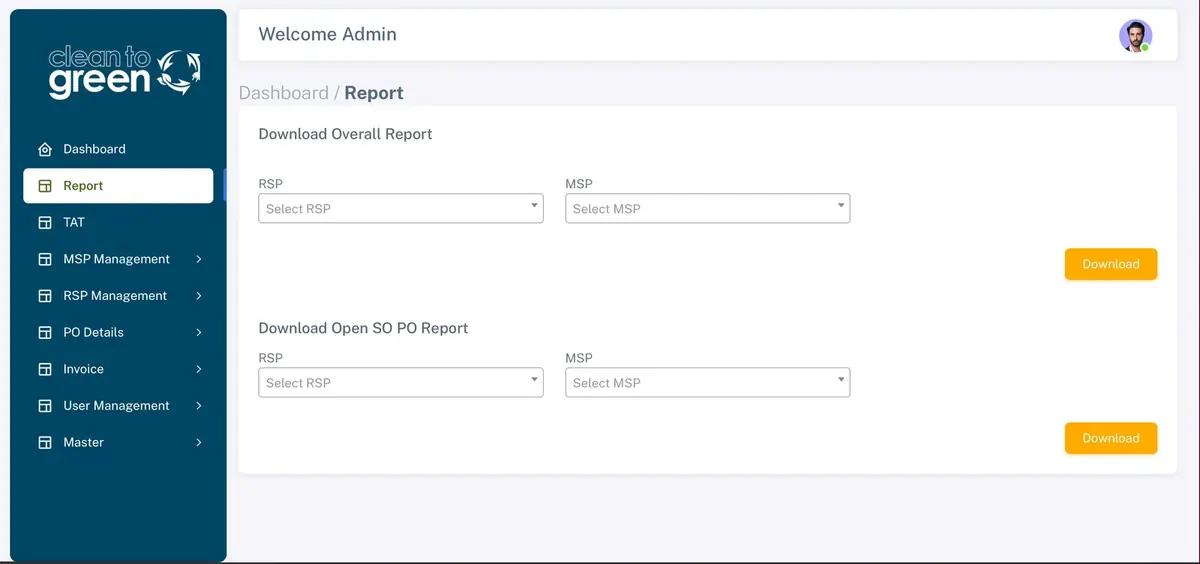
Running at XloonRLG runs e-waste collection and trading across India on C2G, the platform we have built and run since 2021. Collectors, recyclers, compliance staff and finance each see their own workflow. Approvals that used to travel by email now live in configuration.
The same people stay with you from the first workshop to launch day. No handoffs between strategy, design and engineering.
Requirements workshop, data model and integration map, then a written fixed scope.
Wireframes and high-fidelity screens for the key journeys, clickable before anyone codes.
Two-week sprints with a demo at the end of each. You get a staging link from week one and direct access to the engineers.
Production deployment, load testing, a 30-day warranty and the full codebase and documents in your name.
A focused MVP with login, roles and the core workflow ships in 10 to 14 weeks. Multi-role portals with several integrations run 16 to 24.
The number of user roles, the systems we connect to and how much existing data moves over decide the size. We map all three before quoting.
Every engagement starts with a written scope and a week-by-week plan. Changes go through a change note, so nothing grows quietly.
Most platform rewrites trace back to a data model nobody planned. We design it with your team first, then build the screens on top.
Role-based access, audit trails and encrypted data at rest come by default. Our delivery runs under ISO 27001-certified processes.
ERP, CRM, payment and accounting integrations get their own adapters and tests, so an upstream change does not take the platform down.
When a workflow benefits from document reading, matching or summaries, OMKA.AI plugs into the same platform. When it does not, we say so.
Picked during scoping, based on your systems and who will maintain the product after us.
Server-rendered where SEO matters, SPA behind login.
APIs, business rules and integrations.
Chosen by access pattern.
Sized to your traffic.
Yes. We audit the codebase, document the technical debt and tell you plainly whether to continue or rebuild. Often the answer is to keep most of what you have.
Next.js for anything public-facing where search and load speed matter. Plain React is fine for internal tools behind a login. We decide in the scoping weeks, based on your needs.
You do, from the first commit. Repositories sit in your organisation or are transferred at handover, with documentation.
Defects in delivered code that make the product behave differently from the agreed scope. New features and third-party outages are outside it.
Yes, on an optional monthly retainer for fixes, small features and monitoring. Several of our clients have stayed on retainer for years.
You will speak with an engineer who has shipped this kind of work, and get a straight read on scope, timeline and whether we are the right fit.