01
Document intake
OCR and extraction for mail, invoices, forms and labels, straight into your system.
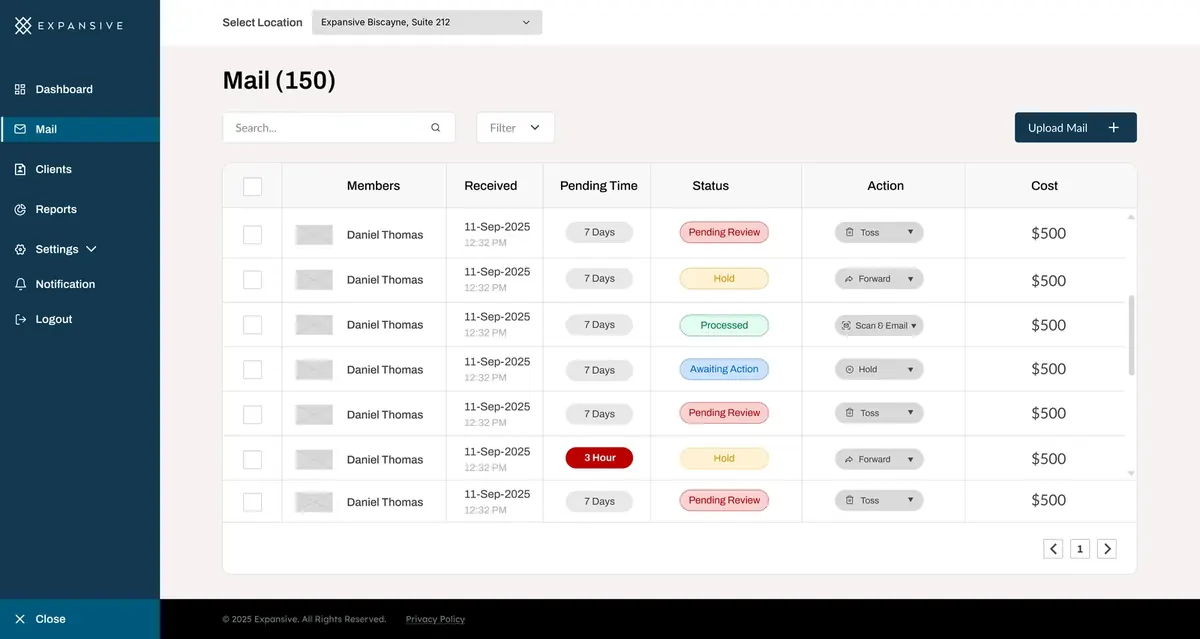
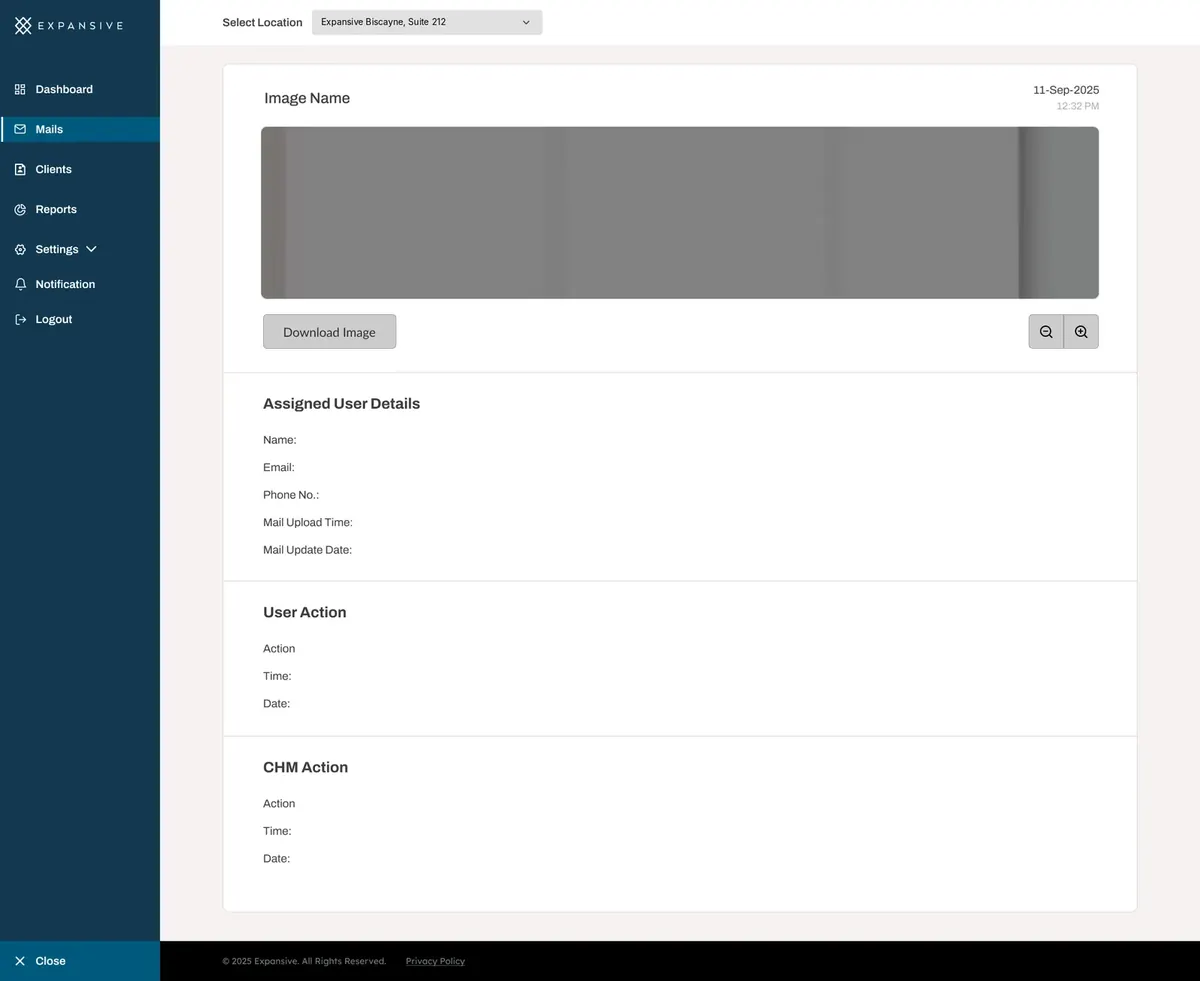
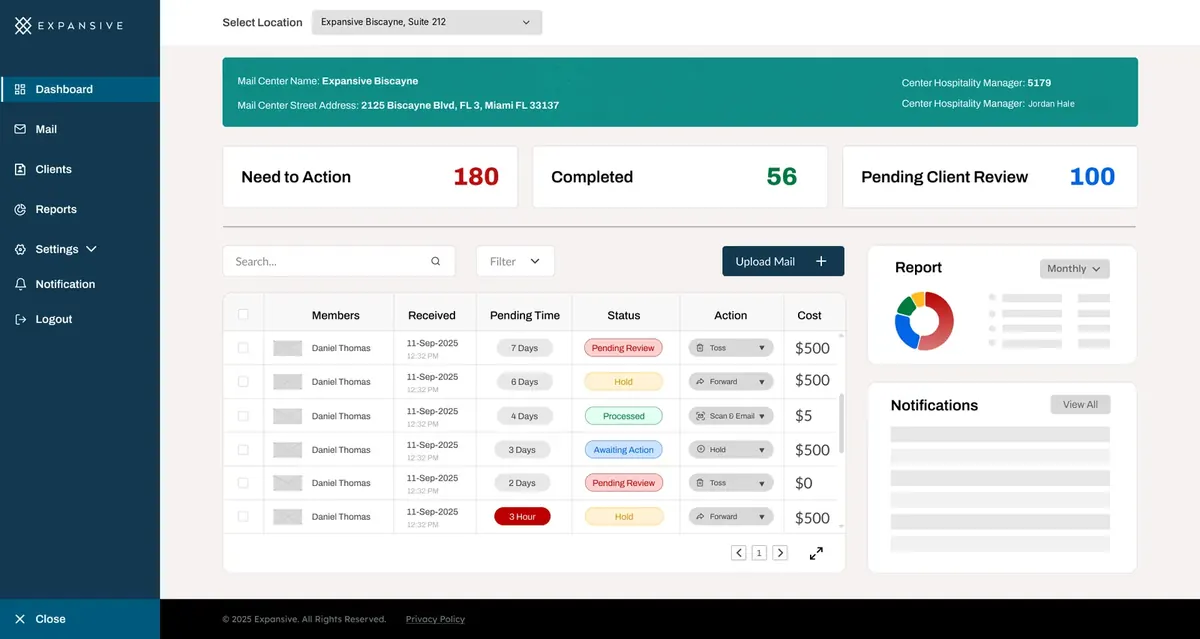
Running at Expansive Digital Mail
We put AI inside the workflows your team already runs: reading documents, matching records, routing work and drafting replies. Every system has a human checkpoint and a measured accuracy.
Not every process needs a model. These are the ones that usually do.
Delivered through OMKA.AI, our AI division, and plugged into the platforms we build and the ones you already run.
OCR and extraction for mail, invoices, forms and labels, straight into your system.
Running at Expansive Digital Mail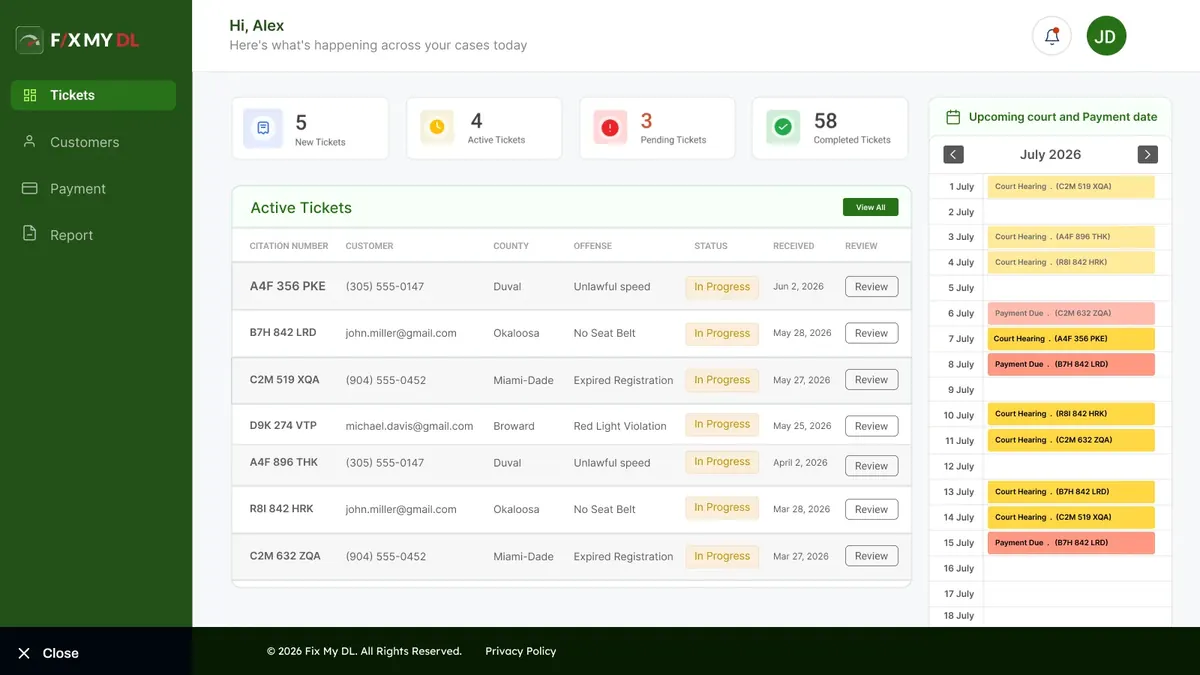
A photo of a traffic ticket becomes a filled-in case an attorney can work, with the court timeline tracked.
Running at Fix My DLBank lines and invoices matched to ledgers, TDS worked out and vouchers posted to Tally, with an accountant approving exceptions.
Running at OMKA.AI finance toolMulti-step jobs like lead follow-up or shipping-document checks, with tool use and escalation to a person.
For freight, insurance and agri clients we have consultedAnswers grounded in your policies, contracts and manuals, with the source shown.
Summaries, classification and drafting inside the screens your users already know.
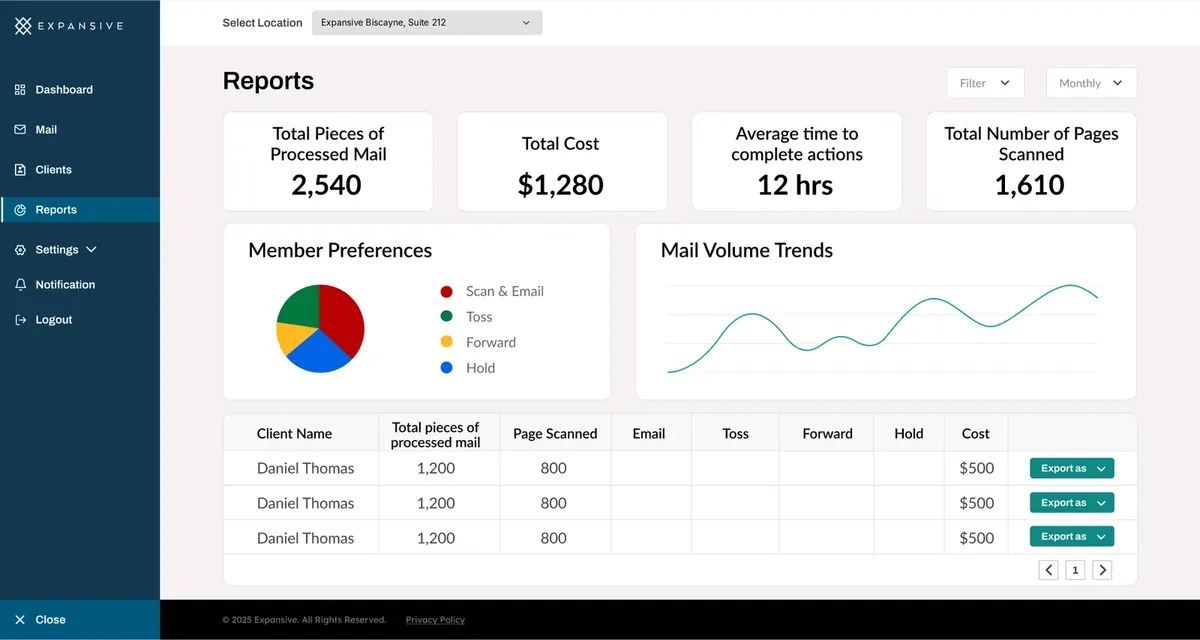
Expansive receives mail and parcels for members across more than 40 US coworking locations. Our pipeline scans each item, reads and matches it with Claude, falls back to address matching and hands anything uncertain to a person.
The same people stay with you from the first workshop to launch day. No handoffs between strategy, design and engineering.
We define the job, the success measure and the data, then check it is doable before you commit.
A working prototype on a sample of your real documents, with accuracy measured, not estimated.
Hardened pipeline with logging, cost limits, retries and a human review path.
Real traffic, real corrections, and prompt and retrieval tuning from what the reviewers fix.
A focused feature such as extraction or classification ships in 4 to 6 weeks. Multi-step agents or document search run 10 to 14.
How messy the input is, how accurate the output must be and how many items a day it must handle.
You see accuracy on your own data at the prototype stage. If it does not clear the bar, you stop there.
Our mail pipeline runs every day for a business with 40+ locations. We build for the hundredth item, not the first.
Claude, GPT, Gemini or an open model you host yourself. We benchmark on your data and pick on accuracy, cost and privacy.
Low-confidence results go to a person with the evidence attached. The system learns from what they correct.
Enterprise API terms that exclude training, or self-hosted models for sensitive data, documented in the scope.
Picked during scoping, based on your systems and who will maintain the product after us.
Chosen per task.
Reading the real world.
Grounded answers.
Where it runs.
Whichever scores best on your data within your cost and privacy limits. We test two or three before recommending one.
No. We use API terms that exclude training, or self-hosted models when the data is sensitive. The data flow is written into the scope.
Errors are managed, not wished away. Every system has confidence thresholds, a human review path and accuracy tracked over time.
We project token costs during scoping, then add caps and per-feature monitoring in production.
Yes. OMKA.AI is our AI division. This page covers custom work; the OMKA.AI page covers the ready modules such as Digital Mail.
You will speak with an engineer who has shipped this kind of work, and get a straight read on scope, timeline and whether we are the right fit.