
01
Member apps
Booking, access, community and payments for people who come back every week.
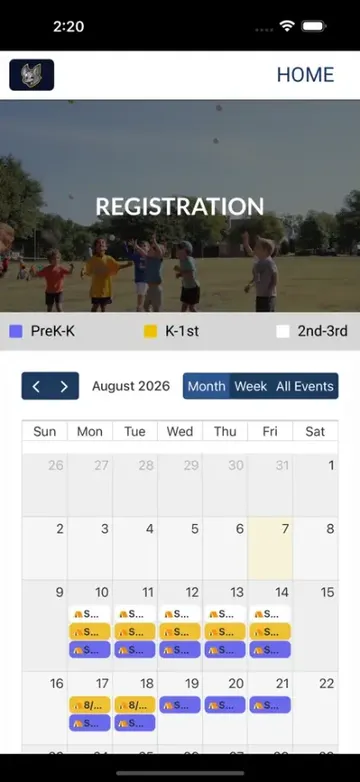
Running at Expansive · Block Athletic Training
iOS and Android apps with the backend, admin and store release handled by the same team. Built so updates are routine and reviews stay clean.
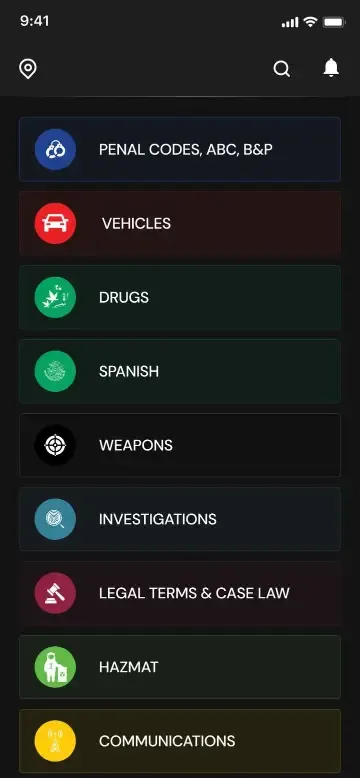
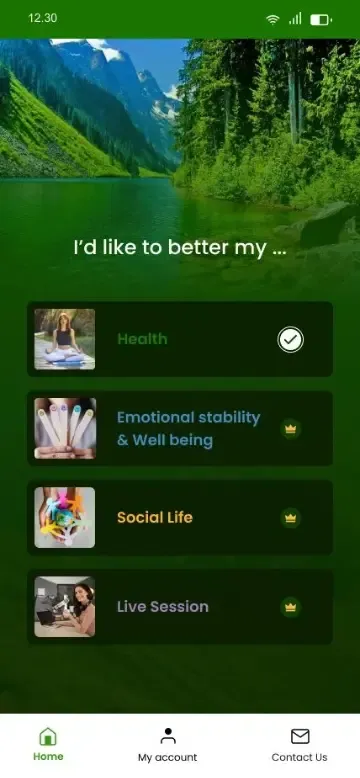
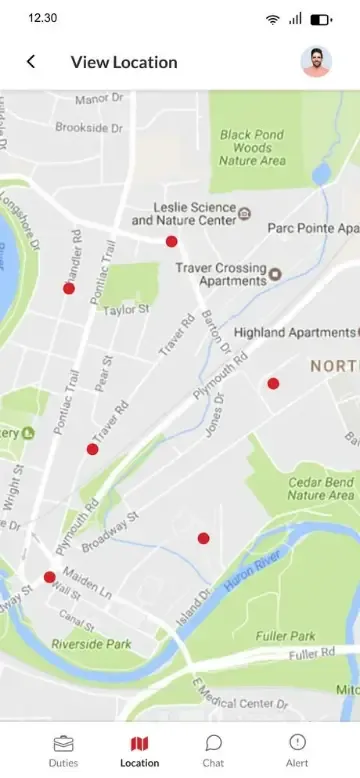
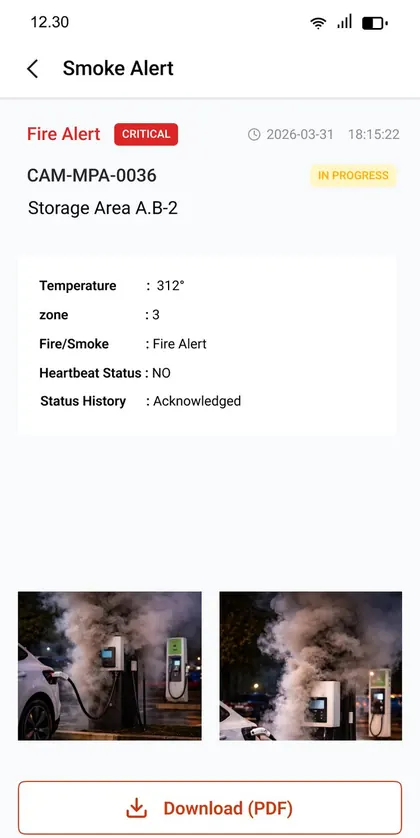
An app earns its place when people need it in their pocket. These are the signals we look for.
The kinds of apps we build most, each one live or in active delivery with a client.
Booking, access, community and payments for people who come back every week.
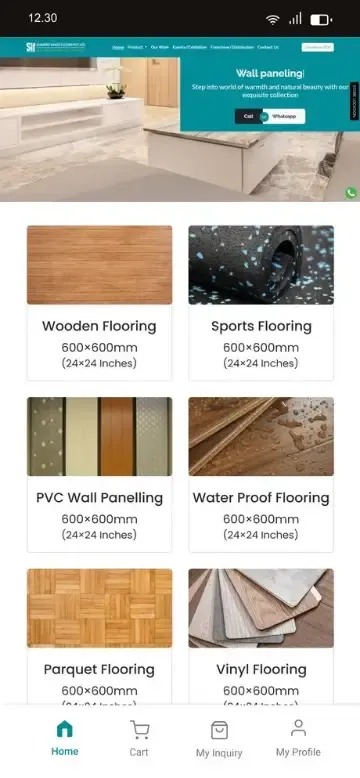
Running at Expansive · Block Athletic TrainingListings, bookings, offers and verification on the phone, synced with the web portal.
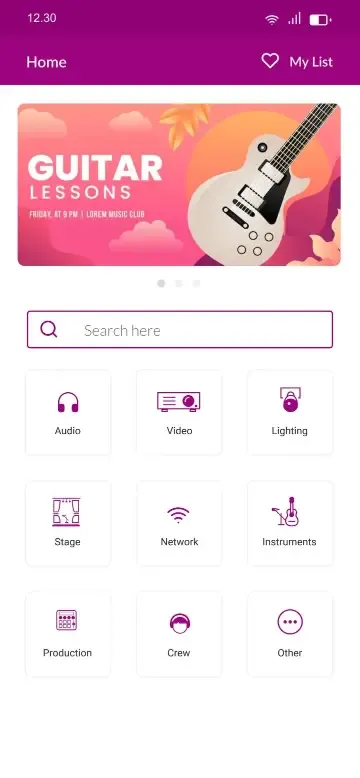
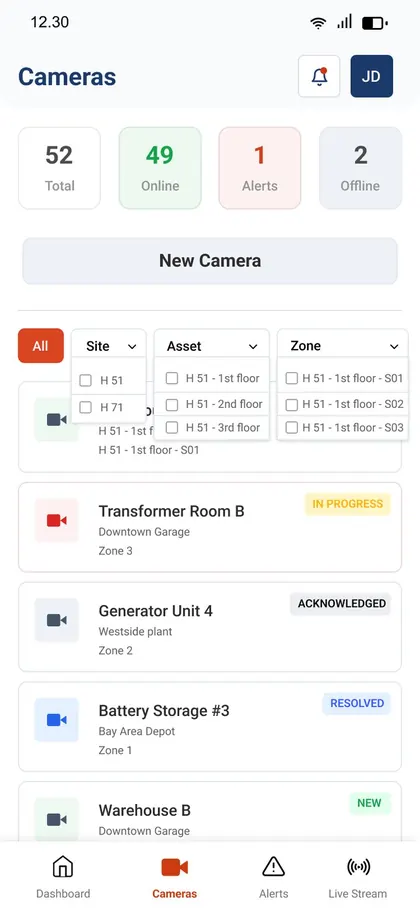
Running at Purple AV · Home OfferzReal-time alarms, camera feeds and acknowledgements when every second counts.
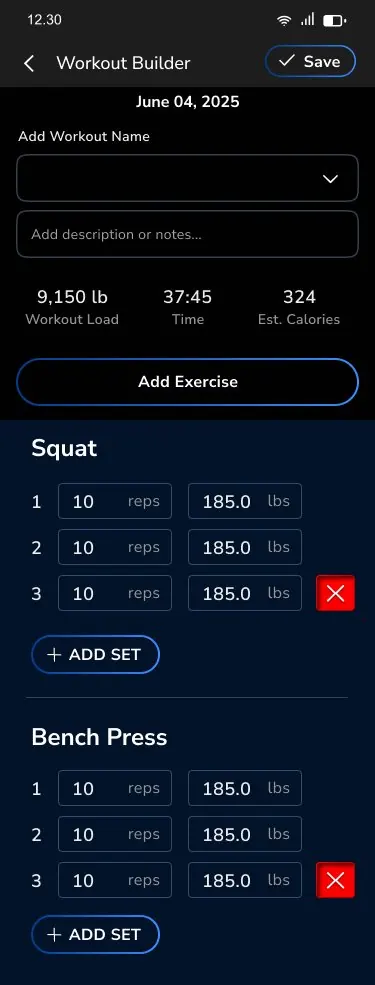
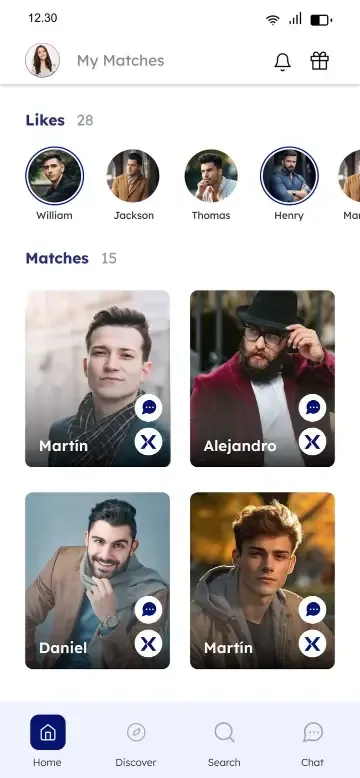
Running at E-Fire USAWorkouts, progress tracking, matching and habit loops built for daily use.
Running at CrossTrainer · Nomad · Fitt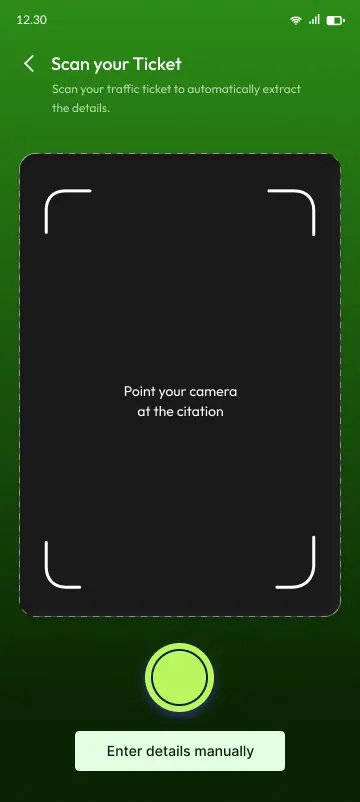
Camera-led flows for documents and IDs, with status tracking afterwards.
Running at Fix My DL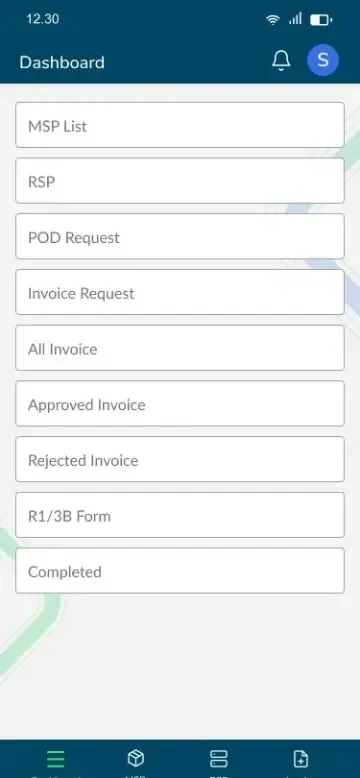
Duties, pickups and live maps for crews who are never at a desk.
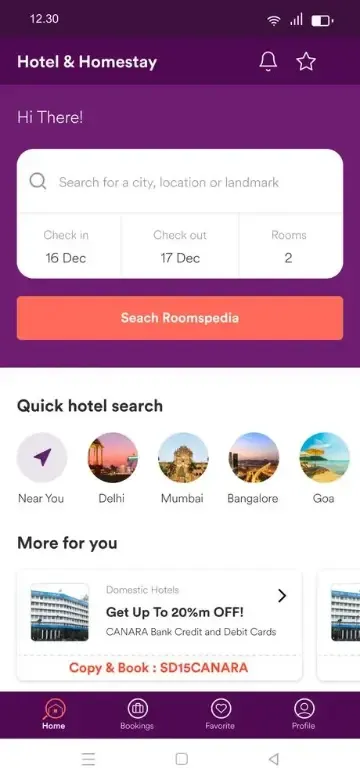
Running at Silkeborg Kanocenter · C2G by RLGSearch, results, property detail and payment in one flow.
Running at Roomspedia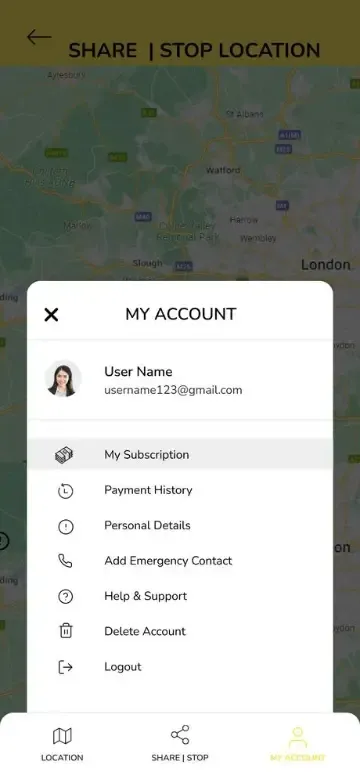
Live location shared with trusted contacts, on the user’s terms.
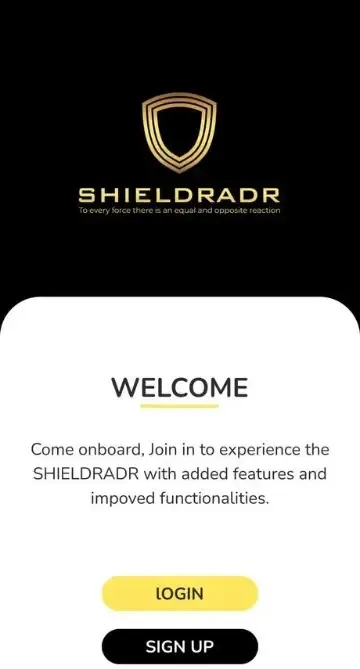
Running at ShieldradrContent people need fast: codes, courses and modules, searchable.
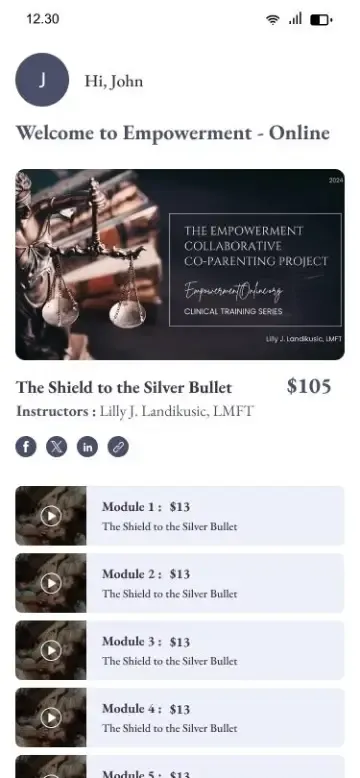
Running at TacBook · Empowerment Online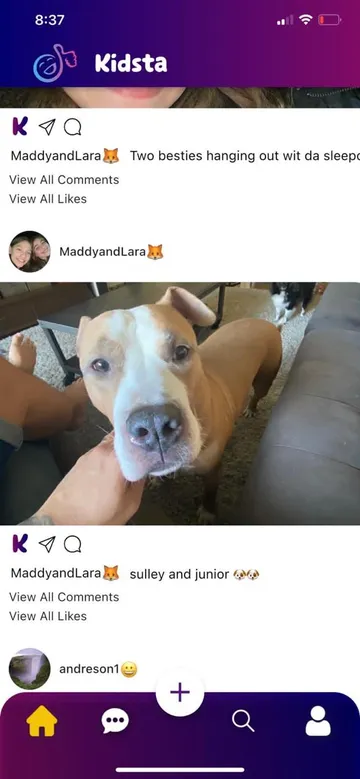
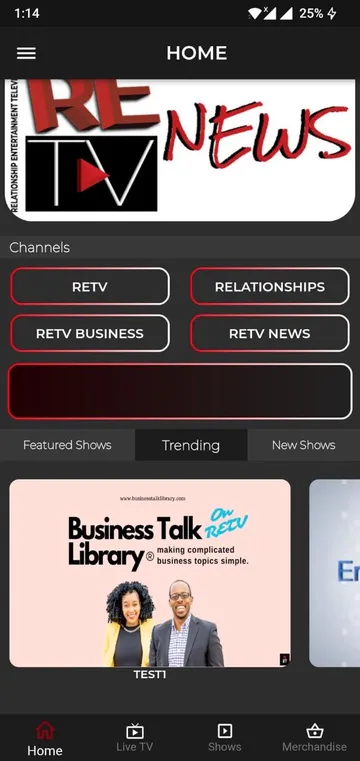
Feeds, friends, channels and live streams, with moderation built in.
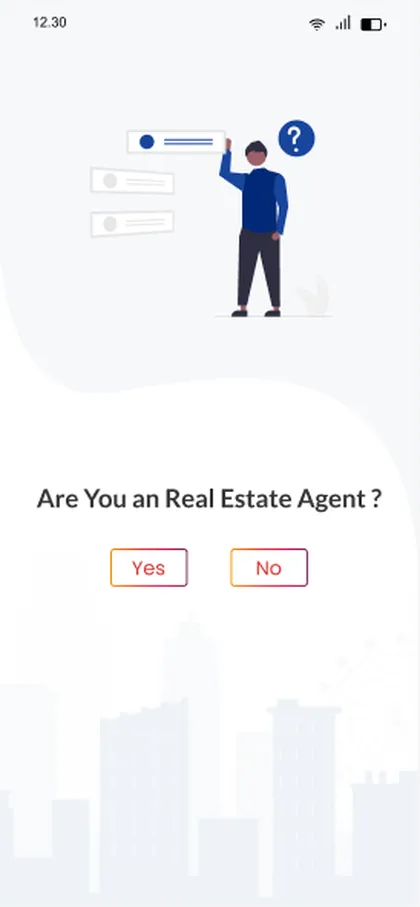
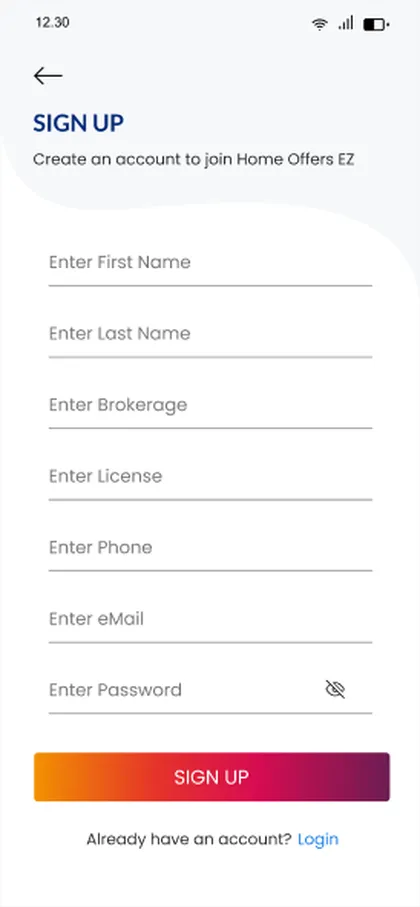
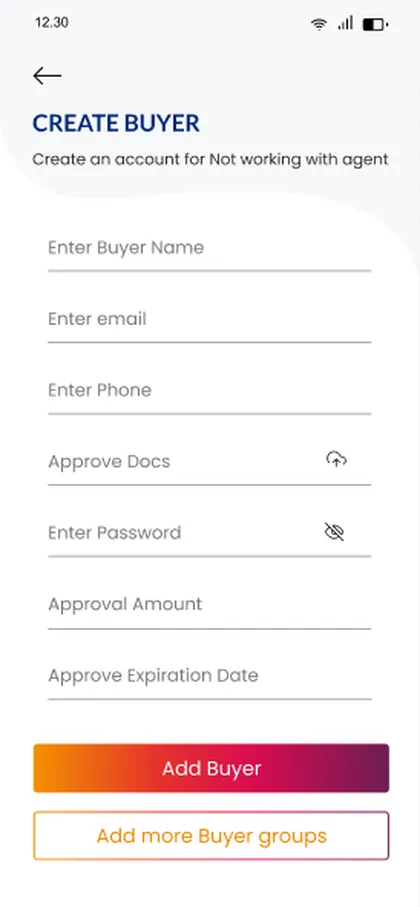
Running at Kidsta · ReTVHome Offerz lets buyers bid on property with proof of funds checked before an agent sees the offer. We designed and built the iOS and Android app, the agent portal and the admin, then shipped a second phase in 2024.
The same people stay with you from the first workshop to launch day. No handoffs between strategy, design and engineering.
Requirements, the cross-platform or native decision in writing, and a fixed scope.
Core flows in Figma, then a tappable prototype you can put in front of users.
Two-week sprints with TestFlight and Play beta builds after each one.
Store listings, review submission, a 30-day warranty and the source code in your accounts.
A focused MVP with login, core features and a backend runs 8 to 12 weeks. Apps with subscriptions, content and payments run 14 to 20.
Whether you need both platforms, how much backend and admin is new, and which device features are involved.
You hold a beta build every two weeks. Scope changes go through a change note before they reach a sprint.
Flutter for most apps, so iOS and Android ship together and stay in step. Native Swift or Kotlin when the hardware or performance needs it.
An app is only half the product. The API, admin panel and notifications are built by the same team, in the same sprints.
Listings, screenshots, review notes and rejections are ours to manage. Your developer accounts stay in your name.
Feature flags, crash reporting and versioned APIs mean the next release is a routine, not a risk.
Picked during scoping, based on your systems and who will maintain the product after us.
iOS and Android from one codebase.
When the platform matters most.
APIs, real-time and push.
Builds, crashes and stores.
Cross-platform with Flutter for most apps: one codebase, faster delivery, lower upkeep. Native when you need deep hardware access or your in-house team already maintains native code.
Yes. We prepare the store assets and copy, submit for review and handle any rejection. Accounts stay in your name.
Yes. We audit it first and tell you honestly whether to continue, refactor or rebuild.
Yes. Almost every app we ship comes with a web admin for content, users and reports.
A 30-day warranty covers defects. After that, most clients keep us on a monthly retainer for updates and OS changes.
You will speak with an engineer who has shipped this kind of work, and get a straight read on scope, timeline and whether we are the right fit.