Cloud & DevOps

Infrastructure that doesn't
wake you up.

Cloud architecture, CI/CD pipelines, infrastructure as code and observability โ€” built so your product runs reliably, scales predictably and recovers automatically. AWS, GCP and Azure.

What we build

Six shapes
of infrastructure work.

Every engagement starts by finding where reliability is actually breaking down or where scale is genuinely being constrained โ€” not by defaulting to whichever architecture is trending this year.

01

Cloud Architecture & Migration

Whether it’s a first deployment or an exit from on-prem, the architecture gets designed around your real traffic patterns and your team’s existing skill set โ€” not a textbook diagram.

AWS + GCP + Azure

02

CI/CD Pipelines

Push-to-deploy pipelines with proper staging environments, secrets kept out of source control, and a rollback path that actually works when you need it at 2am.

GitHub Actions + Jenkins + Rollback strategy

03

Infrastructure as Code

Your infrastructure lives in version control, not in someone’s memory of what they clicked in a console eight months ago.

Terraform + State management + Modular reuse

04

Containers & Orchestration

We reach for Kubernetes when the complexity actually earns it โ€” plenty of teams are better served by something simpler like ECS or Cloud Run, and we’ll tell you which one you are.

Docker + Kubernetes + ECS / Cloud Run

05

Monitoring & Observability

Dashboards your team will actually open, and alerts tuned so a 3am page means something is genuinely on fire โ€” not that a log line looked unusual.

Logs + Metrics + Alerting

06

Security & Hardening

IAM configured on least-privilege, secrets rotated properly, and infrastructure built to meet SOC 2, ISO 27001 or PCI requirements from the start rather than bolted on later.

IAM + Secrets management + Compliance

How we work

Four phases.
One team.

Most infrastructure engagements run 4 to 12 weeks. There's no handoff between the people who design the architecture and the people who build it โ€” it's the same team from the first audit call to handover.

01
WK 1-2

Look Under the Hood

We audit what’s actually running today, model out cost and traffic at your real numbers, and settle on a stack before anything gets built.

02
WK 2-4

Build It

Infrastructure gets written as code, pipelines go in, environments get stood up โ€” and if there’s a legacy system to move off of, this is when that migration happens.

03
WK 4-14

Stress-Test It

Before we call anything done, we harden access controls, wire up real observability, write runbooks for the incidents we can predict, and try to break the system on purpose.

04
WK 14-16

Hand It Over

You get full documentation and a trained team either way โ€” whether that team is yours from here on, or ours on an ongoing retainer.

Technology

Cloud-agnostic.
Pragmatic problem.

We don't have a favourite cloud provider we push regardless of fit. The stack gets decided during discovery, based on what you already run, what your team can maintain, and what it'll actually cost you a year from now.

Cloud Providers

Real production experience, not just certifications, across all three major clouds.
AWS Google Cloud Platform Microsoft Azure Cloudflare

Containers

Sized to the complexity you actually have, not the complexity a case study implies you should want.
Docker Kubernetes Amazon ECS Google Cloud Run

Infrastructure as Code

So your infrastructure can be reviewed, reverted, and reasoned about like any other codebase.
Terraform AWS CloudFormation Pulumi Ansible

Observability

Set up to tell you what’s wrong before a customer does.
Datadog Prometheus & Grafana CloudWatch PagerDuty
Mobile work in production

Selected case study.

Cross-platform

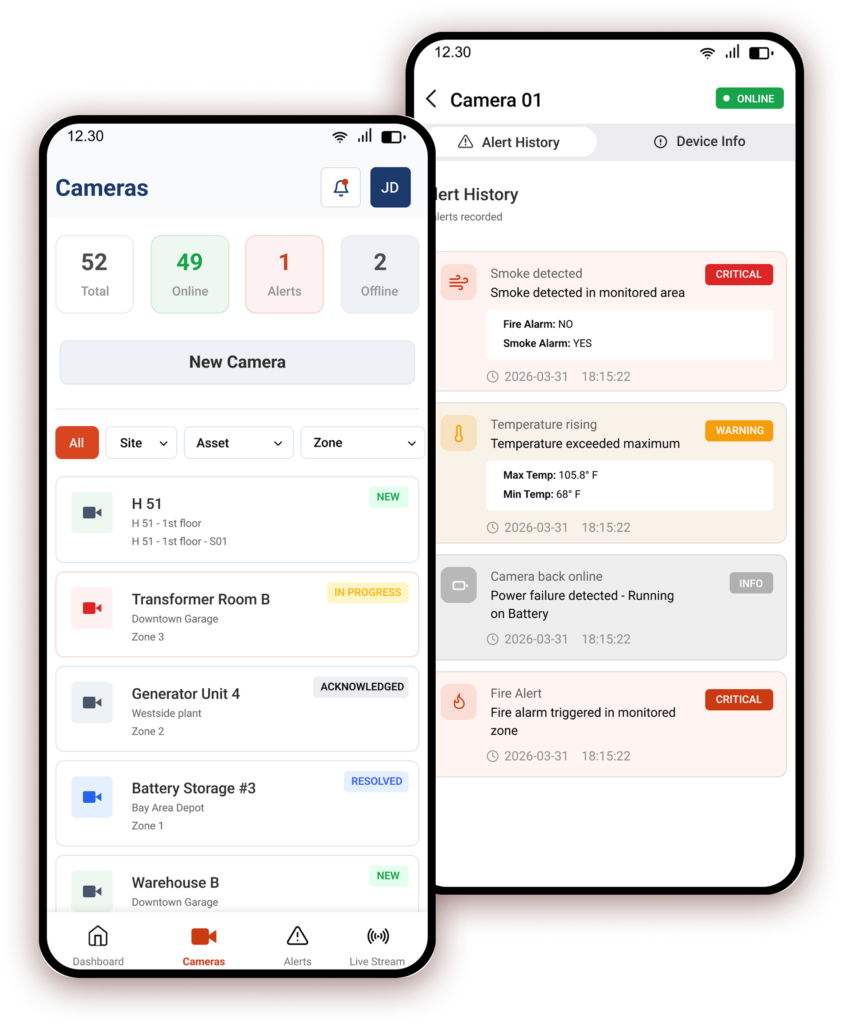
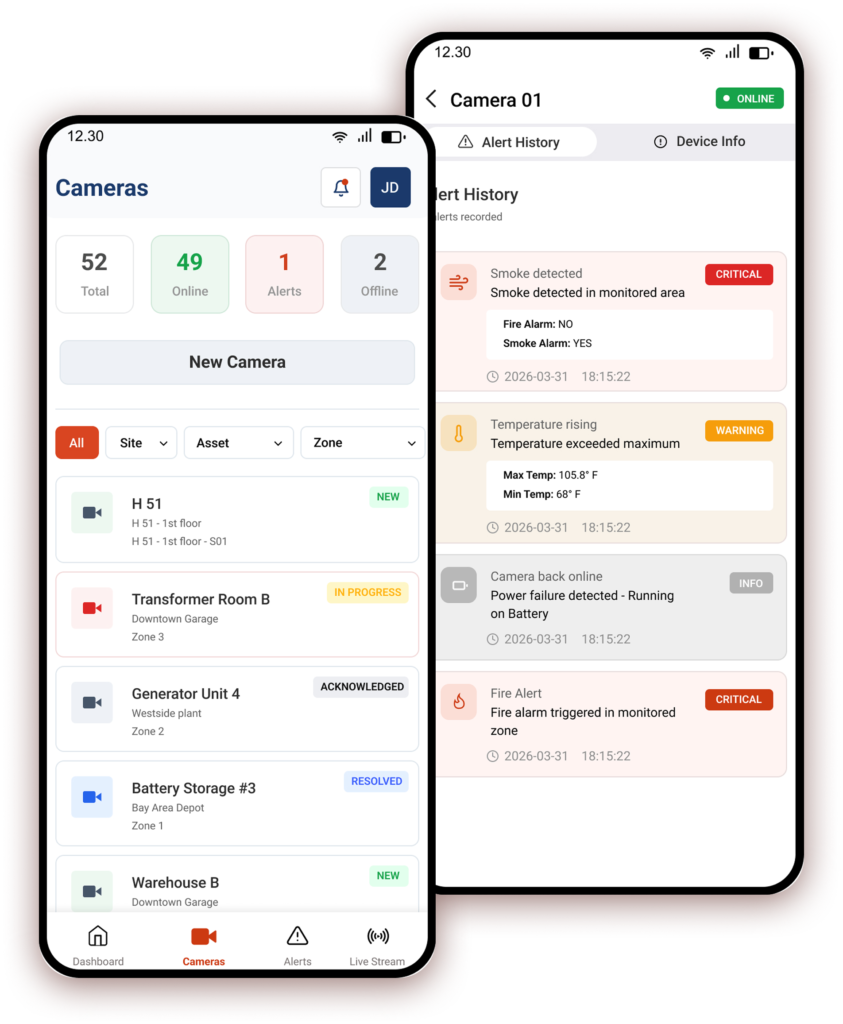
E-Fire USA โ€” Real-time fire safety mobile apps

Cross-platform Flutter applications for iOS and Android โ€” live camera data ingestion, WebSocket alert management and multi-site monitoring dashboards. When vendor SDKs were unavailable, we built a custom HTTP adapter to keep delivery on schedule.

Real-time

Camera pipeline & alerts

iOS + Android

Shipped together

Multi-site

Monitoring architecture
Questions

Cloud and DevOps questions.

Tailored answers for cloud and infrastructure projectsโ€”never generic advice copied from a template.

We look at what you're already running, what your team is comfortable operating, and what the real cost looks like at your actual scale โ€” not a hypothetical one. That comparison happens during the audit, and the recommendation reflects your situation specifically, not a default we reach for every time.

Generally, yes. We plan migrations in phases with rollback checkpoints along the way rather than one high-stakes cutover night. Data migration, DNS switchover, and validation testing all happen before we let the old environment go.

Either. A lot of clients start with the setup engagement and later move to an ongoing retainer for monitoring, patching, incident response and continued tuning. It's a separate decision made after the initial build โ€” we won't assume you want it.

It's built into the process, not tacked on at the end โ€” least-privilege IAM, proper secrets management, vulnerability scanning, encryption in transit and at rest. If you're working toward SOC 2, ISO 27001, or PCI scope reduction, we configure for those specific controls from day one rather than retrofitting them later.

Start a Conversation

Ready to build a product
your users choose first?

Tell us about your project. We respond within 24 hours with an honest assessment โ€” whether we're the right fit or not.