
From user research and wire-framing to design systems and polished high-fidelity interfaces, we create development-ready designs that engineers can implement with confidence. Engage us for design only or as part of an end-to-end product build. Read More...
Before we open Figma, we talk to your actual users. Interviews, journey maps, and competitor teardowns surface the problems worth solving โ so weโre not designing around assumptions
Getting the structure right โ sitemaps, flows, content hierarchy โ is what separates products people navigate instinctively from ones that need a tutorial.
Every screen designed with components, variants, and states baked in from the start โ hover, error, empty, loading โ so engineering never has to guess what happens next.
A living library of components and tokens that keeps your product visually consistent as it scales past the first ten screens โ and past the first designer.
iOS and Android experiences designed to feel native to each platform, with every transition and micro-interaction specified rather than left to chance during build.
We take your brand โ colour, type, voice โ and translate it into working interface patterns that hold up consistently across every screen, not just the homepage mockup.
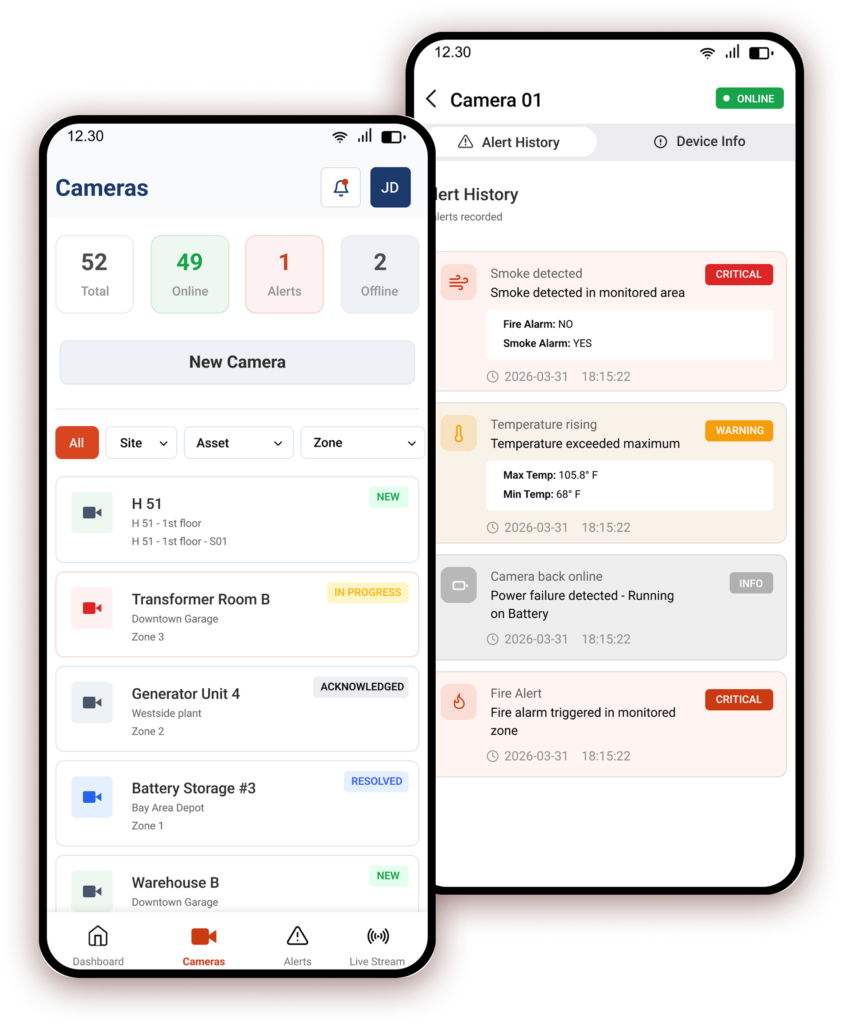
Real products. Real users. Real impact. Explore a few of the mobile applications we've designed, engineered, and shipped.
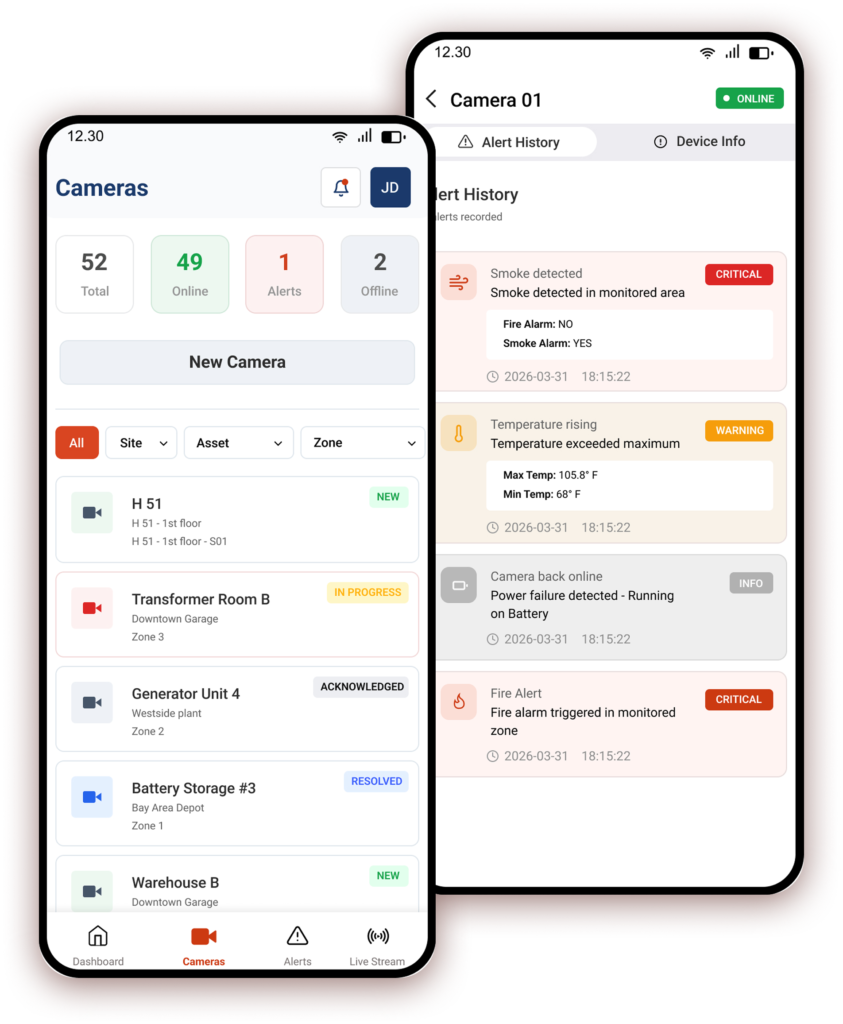
Real - time fire safety monitoring and incident management platform.
Most design engagements run 4 to 10 weeks โ shorter for a single product area, longer when a full design system or heavy research is involved.
We spend the first stretch learning the problem, not sketching solutions. Interviews with your team and users, a look at existing analytics, and a scan of competitors tell us whatโs actually broken.
Structure comes before polish. We lay out sitemaps, user flows, and rough wireframes and get them signed off before a single pixel is styled.
This is where the product takes visual shape โ full-fidelity screens made of reusable components, clickable prototypes for real user testing, and a system that documents itself as it grows.
We deliver files meant to be built from, not just looked at โ clean Figma structure, exported assets, written specs, and enough documentation that your engineers arenโt left interpreting.
We begin every mobile app development project with a structured discovery workshop. In two weeks, we map your user journeys, define the data model, evaluate technology options against your team's capabilities and long-term cost of ownership, and produce a written Scope of Work that both parties sign before a single line of code is written. No ambiguity. No surprises mid-build.
Different questions call for different methods,
we pick based on what weโre trying to learn.
The same toolkit most product teams already
standardise on.
Clickable prototypes for testing with real
users and getting stakeholder sign-off.
Token-based systems built to survive contact
with real engineering constraints.
Clear answers to common questions about our process, pricing, timelines, and support.
Yes, design is a service on its own for us, not just a warm-up for a build. Your own engineering team can take over from there; we structure every deliverable (specs, tokens, documentation) so any competent dev team can pick it up.
Yes, research comes first, not as an afterthought. Depending on what we need to learn, that might mean interviews, usability tests, heuristic reviews, or surveys โ the goal is to design from evidence, not opinion.
We fit in wherever makes sense, running discovery while your team handles visuals, building a design system your team extends afterward, or owning the whole process. We agree on the split explicitly before work starts, so nobody's stepping on anyone.
Organized Figma files with proper components and variants, documented tokens, exported assets sized correctly, and written specs covering states and interactions , built to be opened and used, not decoded.
Most clients move to a retainer if they want ongoing support, new features, system upkeep, more research. It's entirely optional and scoped separately, so the fixed-scope project never quietly turns into an open-ended one.
From websites and mobile apps to AI solutions, we help businesses transform ideas into successful products. Tell us about your project, weโll respond within 24 hours.